-

Using Keytracking
Keytracking changes a synthesizer’s parameters depending on which note the synth is playing. When positive keytracking is enabled for a parameter, the parameter increases for high notes and decreases for low notes
Read More -
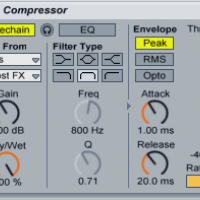
Synchronize a Sidechained Compressor to the Beat
Sidechained compression is an ubiquitous sound in dance music. Its pumping sound brings a shot of energy to basslines, pads, lead synths, vocals: nearly any element of an EDM track.
Read More -
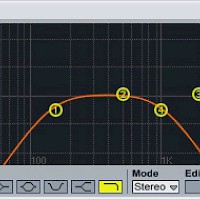
Frequency Splitting with Effects
Frequency splitting divides a sound’s frequency spectrum into sections, allowing you to alter one section of the spectrum without changing the rest.
Read More -
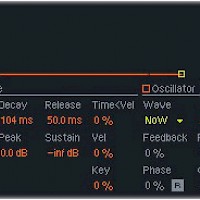
How to Synthesize Drums
Samples make creating beats quick and easy, but knowing how to synthesize your own kicks, snares and hi-hats will give you a better understanding of how drum sounds work. Start up Ableton’s Operator synth, then create a new MIDI clip. Add a note on each quarter beat. It doesn’t matter which note you use: you’ll be setting the pitch using the synthesizer itself.
Read More -

Using Pitch Bend
Pitch bending smoothly lowers or raises the pitch of a note according to a defined envelope. You can quickly access a MIDI clip’s pitch bend envelope in Ableton...
Read More -
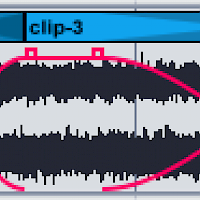
Extreme Sample Stretching
Stretching out audio can do magical things to it: hidden melodies appear, transients crumble into blurs, and tiny blips of sound turn into rich soundscapes.
Read More -
Make a Synth from a Sample
All sounds, synthesized or natural, are made up of waves. Most synthesizers produce simple, pure waveforms, while naturally occurring sounds are much messier — and more interesting.
Read More -
Tips for Using Reverb
A reverb effect creates a complex series of echoes from a source sound. Reverb usually simulates a certain listening environment like a jazz club or a concert hall; used heavily and creatively, it can also warp a source sound until it’s unrecognizable.
Read More -
Audio Effects 101: Time-based FX
Time-altering audio effects like reverbs, delays and choruses all function in essentially the same way: they capture a portion of an input sound, delay it slightly, then play it back.
Read More
